01AI and Robots in Everyday Life
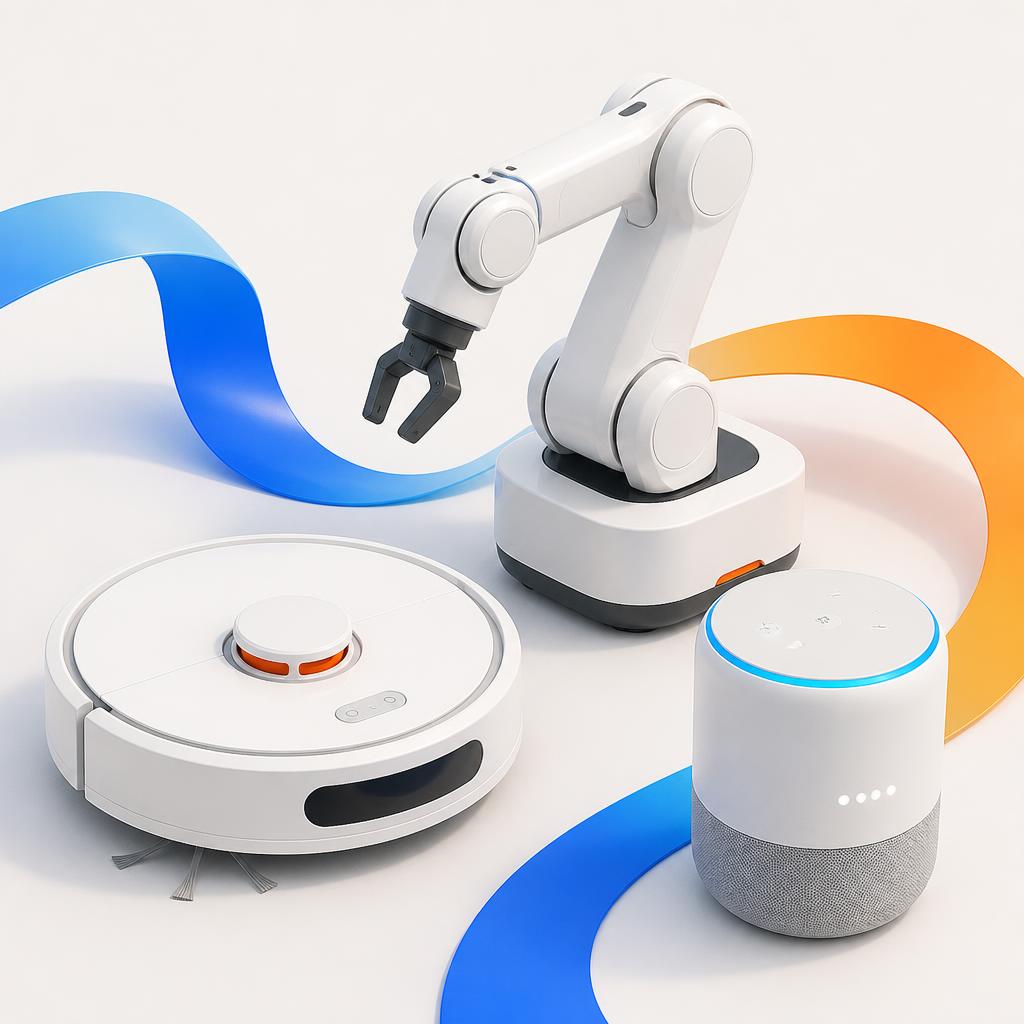
A structured introduction to artificial intelligence, robotics, automation and human-machine interaction. Students examine where AI and robots already work today, and how they may shape schools, homes, healthcare, mobility and everyday services — alongside ethics, decision-making and designing technology responsibly.
- Introduction to AI, robotics, automation and smart systems
- Real-life examples from schools, hospitals, homes and transport
- Choosing a daily-life or school-based problem to solve
- Designing an AI assistant or robotic support system
- Sharing the concept and explaining how it helps users
02Space Exploration and Life on Other Planets
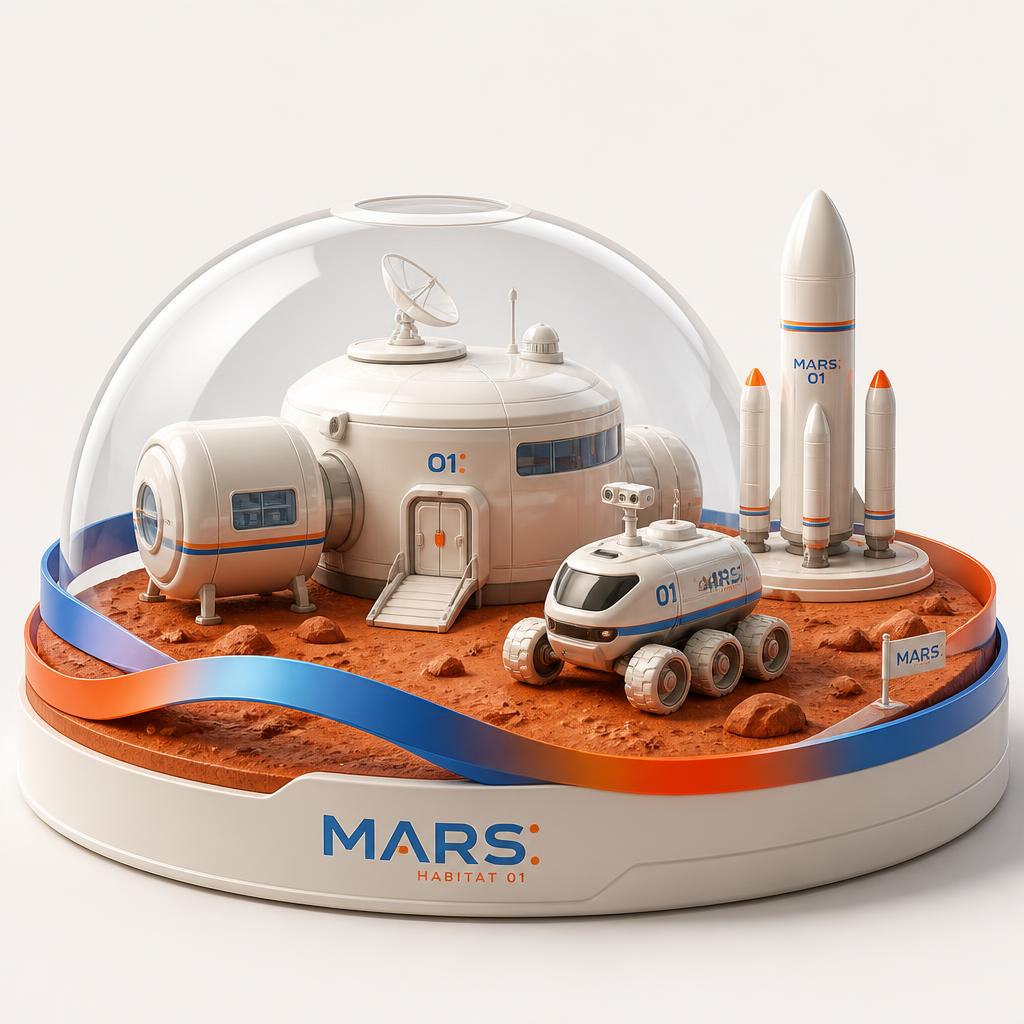
Space becomes a platform for scientific reasoning, engineering imagination and systems-level design. Students explore how humans might live beyond Earth and study habitats, food systems, transport, communication and survival in extreme environments.
- Space exploration, missions and future settlement concepts
- The challenges of living in space and on other planets
- Habitats, food systems, transport, communication and safety
- Choosing a space-living problem or mission scenario
- Designing a habitat, device, transport idea or survival system
- Presenting solutions with scientific reasoning
04Young Entrepreneurship
Entrepreneurial thinking as a structured process: spotting opportunities, designing solutions, communicating value and turning ideas into viable concepts. It works as a capstone — students connect their technical and creative ideas to real audiences, branding and presentation.
- Entrepreneurship, innovation and value creation
- Finding meaningful problems worth solving
- Turning an idea into a product, service or venture
- Naming the idea and creating a simple brand identity
- Audience, value proposition, impact and price
- Preparing a short pitch with visuals and key messaging